

How to Wash Pillows in the Washing Machine Without Losing Fluff
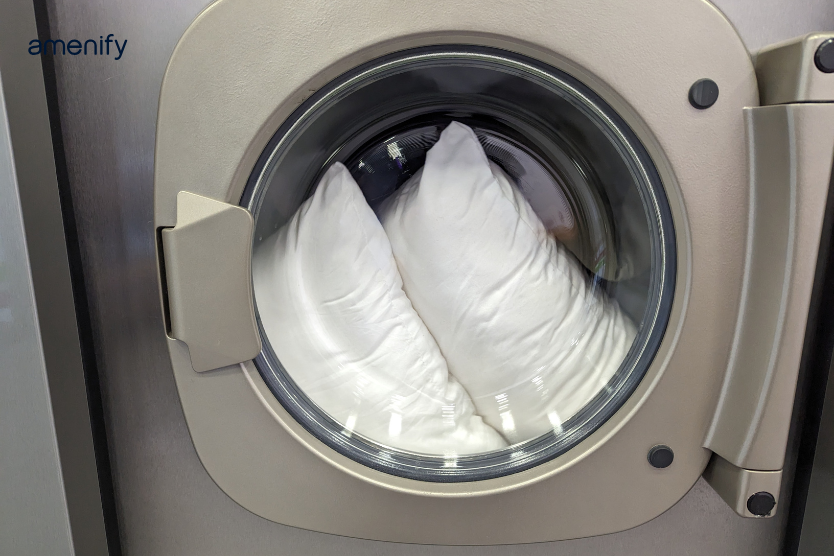
Learn how to wash pillows in the washing machine and keep them soft, fresh, and fluffy after every wash.
You might be asking yourself how to wash pillows in the washing machine without turning them into lumpy, lifeless clumps. Pillows accumulate dirt, oil, and bacteria over time. Regular washing becomes necessary. Experts recommend washing them at least annually, though every three months is ideal for optimal freshness.
The good news? Washing pillows is a simple process that you can do at home. Most pillow types can go in the washer. You might be looking for the best way to wash a pillow in the washing machine or questioning if you can wash a pillow in the washer machine.
This piece will walk you through how to wash pillows in washer, from preparation to drying. They'll come out clean, fluffy, and fresh.
Table of Contents
Preparing Your Pillows for Washing
How to Wash Pillows in the Washing Machine (Step-by-Step)
Drying Pillows Without Losing Fluff
Common Mistakes to Avoid When Washing Pillows
Conclusion
Preparing Your Pillows for Washing
Proper preparation prevents damage and will give your pillows a clean and fluffy result. Several steps protect both your bedding and your appliance before you place pillows in the washing machine.
Check the Care Label First
Your pillow's care label provides washing instructions tailored to its material. The label lists material contents and often has temperature settings, cycle recommendations, and drying guidelines. Memory foam pillows, to name just one example, should never enter a washing machine, as water damages the foam's structure. Latex pillows require spot cleaning only. Checking the label first prevents pricey mistakes and potential pillow damage.
Remove Pillowcases and Protectors
Strip off all pillowcases and pillow protectors before washing. Pillow protectors add a barrier between your pillowcase and pillow and absorb sweat and oils. Wash these items according to their own care instructions. Inspect your bare pillow for small tears or weakened seams at this stage. Mend any openings before washing to prevent feathers or filling from escaping into your machine.
Pre-Treat Any Stains
Yellow stains develop when sweat, skin oils, and moisture accumulate over time. Address these spots before washing for better results. Apply a non-abrasive stain remover to stained areas, work it into the fabric, and let it sit for several minutes. You can create a paste using oxygen brightener mixed with warm water and apply it to yellow stains for 10-15 minutes. Spot clean immediate spills with mild detergent and a clean cloth, then air-dry. Early treatment prevents stains from setting deeper into the fabric.
Understand Your Pillow Type
Different fills require different approaches. Cotton, down, feather, and polyester pillows can be machine washed on gentle cycles. Down and feather pillows need front-loading washers for the best results. Foam pillows present challenges: single-piece foam should never be washed, while opinions vary among experts about shredded foam. Remove the cover and wash only the outer shell when uncertain about foam pillows, leaving the foam filling untouched. Understanding your pillow type guides every washing decision that follows.
How to Wash Pillows in the Washing Machine (Step-by-Step)
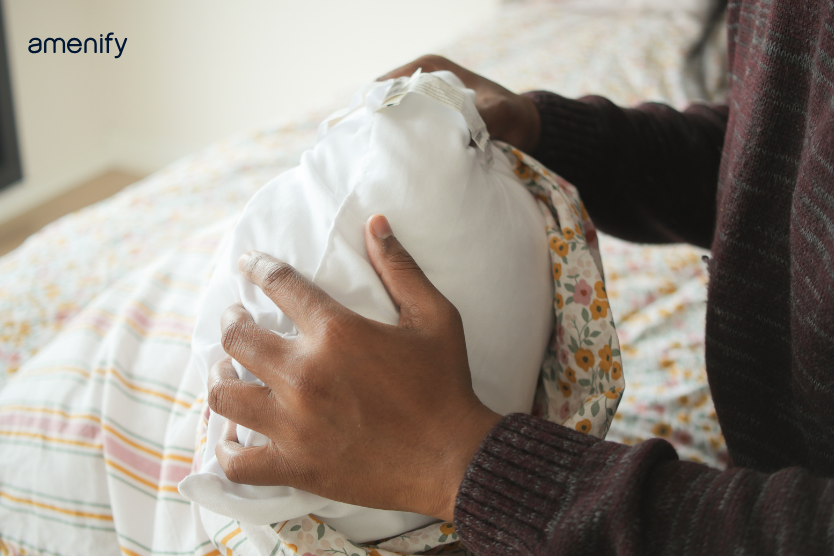
Step-by-step guide on how to wash pillows in the washing machine for soft, clean, and fluffy results.
After you finish the preparation, the washing process follows five straightforward steps that protect your pillows and remove accumulated dirt and oils.
Step 1: Load Two Pillows at a Time
Machine performance depends on balance. Load two pillows at the same time to prevent the washer drum from becoming unbalanced during the spin cycle. An unbalanced load causes excessive vibration and may trigger the machine to pause mid-cycle. Add two or three clean towels to balance the load if you're washing a single pillow. Top-loading machines with center agitators need two pillows to maintain stability. Front-loading washers benefit from added towels, even with two pillows, to keep the drum stable.
Step 2: Choose the Right Detergent and Water Temperature
Use about one to two tablespoons of liquid detergent with standard-size pillows. This represents about half the amount you'd use with a regular laundry load. Liquid detergent rinses better than powder, which can leave residue in the filling. Select warm water, around 30 to 40 degrees Celsius, with most pillow types. Cold water works if warm isn't available, but avoid hot water with down pillows, as it damages clusters and can shrink covers. Down-safe detergents lack fabric softeners and enzymes that strip natural oils from feathers. Skip fabric softener and bleach, as both damage pillow fills.
Step 3: Select a Gentle Cycle with Extra Rinse
Set your machine to the gentle or delicate cycle. Note that the bulky cycle isn't necessary and should be reserved for comforters. An extra rinse cycle is essential, especially when you have down pillows, whose soap residue gets trapped deep in the filling. Residual detergent reduces loft and creates musty odors after drying.
Step 4: Add Vinegar or Baking Soda to Clean Better
Add one cup of baking soda to the washer drum to clean better. You can also add half a cup of vinegar to boost odor removal. These additions help break down oils and eliminate bacteria without harsh chemicals.
Step 5: Run the Complete Wash Cycle
Start the cycle and allow it to complete. Then run the second rinse cycle without adding any detergent. This ensures all soap is flushed from the filling and prevents future clumping and odors.
Also Read: How to Clean a Washing Machine Step-by-Step?
Drying Pillows Without Losing Fluff
Learn how to wash pillows in the washing machine and dry them properly to keep them fluffy and soft.
The most critical phase is drying, where pillows either retain their fluff or turn into flat, lumpy disasters. Proper technique makes all the difference.
Use Low Heat or Air-Dry Settings
Set your dryer to low-heat or no-heat settings to protect pillow fillings. High heat damages down clusters and melts synthetic polyester fibers. It can also burn feathered quills. Low heat extends drying time, but it preserves your pillow's structure. Skip auto-dry settings. Sensors detect only surface moisture and leave dampness trapped inside.
Add Dryer Balls or Tennis Balls
You should put 3-6 wool dryer balls or clean tennis balls in the dryer with your pillows. The balls tumble against the pillow and physically break up wet fill before it compacts. This bouncing action prevents clumping and maintains even distribution of filling throughout the drying process.
Check for Dampness Between Cycles
Take out pillows between cycles to manually fluff and check for moisture. Squeeze the center hard, as the core retains moisture the longest. A dry pillow feels light and dry throughout. Damp pillows feel cool or dense when squeezed hard.
Special Drying Instructions for Different Pillow Types
Synthetic polyester pillows dry within 45-60 minutes. Down or feather pillows require 2-3 hours total across multiple cycles. Run consecutive cycles without letting wet pillows sit, as this prevents mold development. Foam pillows must air dry only, as they're flammable.
Common Mistakes to Avoid When Washing Pillows
Avoiding common errors preserves your pillow's integrity and extends its lifespan. These mistakes turn washing sessions into expensive disasters.
Using Too Much Detergent
Standard loads require just 1.5 ounces of detergent. Exceeding this amount leaves residue that breaks down delicate filling. Soap buildup also creates stiff, uncomfortable pillows that lose their softness. Use a tiny amount, a teaspoon, for pillows. More soap doesn't mean cleaner results.
Washing Memory Foam in the Machine
Memory foam cannot be immersed in water. The material absorbs moisture like a sponge and won't dry properly. This causes mold growth and material breakdown. Machine agitators tear apart the foam's internal structure. Spot clean memory foam pillows with mild detergent and a damp cloth instead.
Skipping the Extra Rinse Cycle
An extra rinse removes soap residue trapped deep in the filling. Residual detergent causes musty odors and reduces fluffiness when you skip this step. The extra rinse takes minimal time but prevents long-term damage.
Not Drying Pillows Completely
Damp pillows develop mold within 24-48 hours. Complete drying requires 60-90 minutes. Press the center firmly to check for dampness. Pillows must feel bone dry throughout before returning to your bed.
Conclusion
You now have everything you need to wash your pillows without losing their fluff. Note that the key steps include checking care labels, using minimal detergent, and selecting gentle cycles. Dry them with dryer balls until no moisture remains. Never rush the drying process since dampness causes mold growth. Wash your pillows every three months to keep them fresh, and they'll provide comfortable sleep for years.
How Amenify Can Help?
With Amenify USA, keeping your home fresh and clean becomes easier. Amenify connects you with trusted home cleaning professionals who can help with deep cleaning, bedding care, and routine home maintenance services.
Whether you need seasonal cleaning support or help maintaining a healthier sleep environment, Amenify offers convenient, on-demand solutions tailored for modern homes.
FAQs
-
Yes, most pillow types, including cotton, down, feather, and polyester, can be safely washed in a washing machine using a gentle cycle. However, memory foam and latex pillows should never be machine washed, as water damages their structure. Always check the care label first to confirm your specific pillow type is machine-washable.
-
Dryer balls or tennis balls tumble against the pillow during the drying cycle, physically breaking up wet filling before it compacts into lumps. This bouncing action prevents clumping and maintains even distribution of the filling throughout the drying process, helping your pillows retain their original fluffiness.
-
Pillow protectors create a washable barrier between your pillowcase and pillow, absorbing sweat and oils before they reach the pillow itself. By using zippered protectors under your regular pillowcase, you can simply wash these covers regularly and avoid the need to wash the actual pillow as often, which helps preserve the pillow's structure and lifespan.
-
Press the center of the pillow firmly, as the core retains moisture the longest. A completely dry pillow feels consistently light and dry throughout, while a damp pillow feels slightly cool or dense when squeezed hard. Pillows must be bone dry before use to prevent mold growth, which can develop within 24-48 hours in damp pillows.
-
Using too much detergent is a common mistake that leaves residue, breaking down delicate filling and creating stiff, uncomfortable pillows. Use only 1-2 tablespoons of liquid detergent (about half the amount for regular laundry) and always run an extra rinse cycle to remove all soap residue from deep within the filling.
-
Amenify provides many in-home services. Sign up to get $50 off on your first home service or product
