

Quick Guide to Repairing Drywall in Your Home
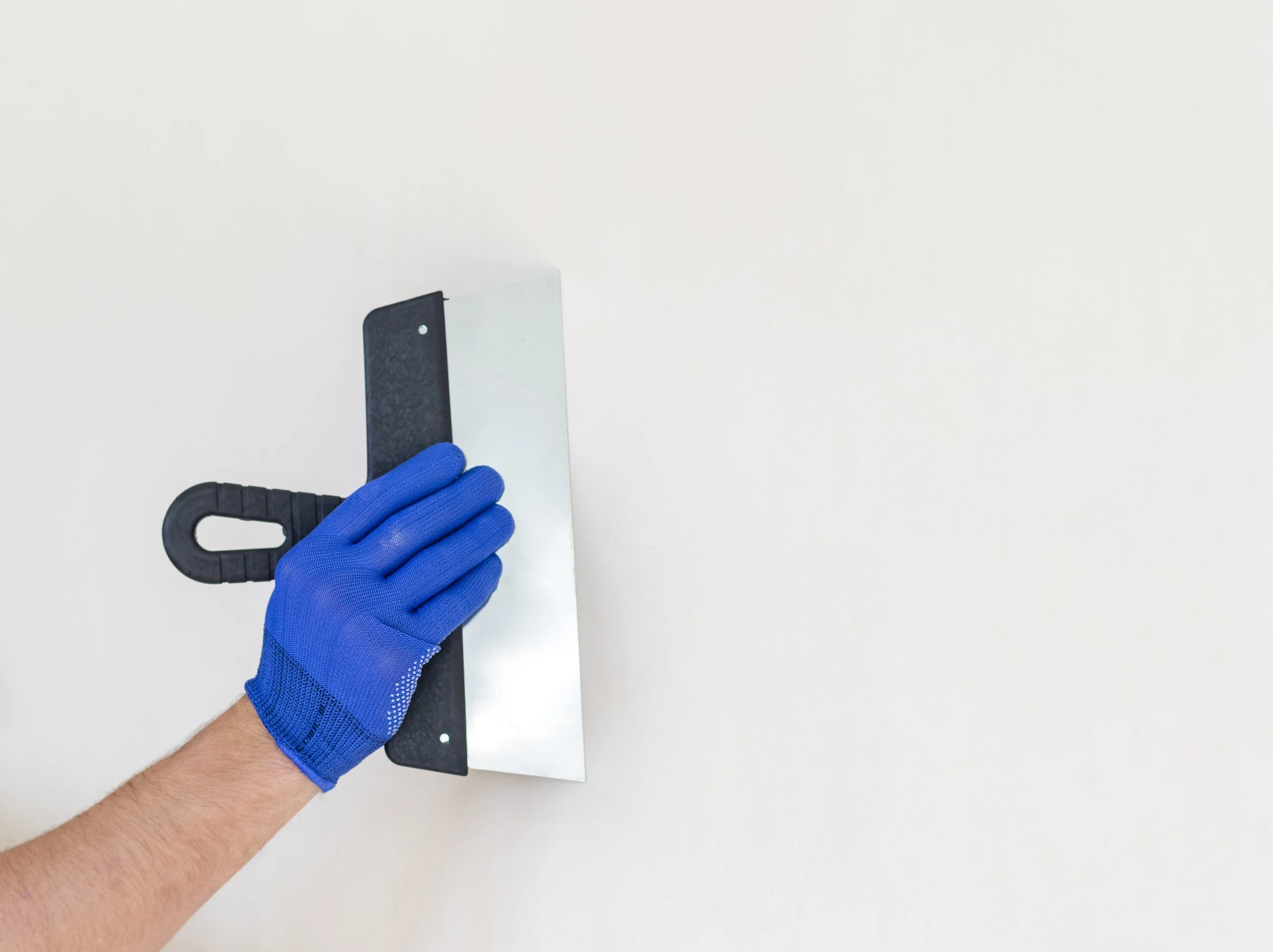
Did you just notice a hole, dent, or crack in your wall and immediately feel that wave of frustration? Maybe it happened while moving furniture. Maybe the door handle slammed too hard. Or maybe you pulled out a wall anchor, and now there’s a crater staring at you. You’re probably thinking, “Is this going to be expensive? Can I fix this myself? Is it going to look obvious forever?” Wall damage is annoying because it’s visible, and once you see it, you can’t unsee it.
Here’s the good news: how to repair drywall is actually simple. Identify the size of the damage, patch it correctly, sand it smooth, then prime and paint. Now let’s break it down properly.
Key Takeaways
Small holes need spackle and sanding.
Medium holes require a mesh patch and joint compound.
Large holes require cutting and replacing drywall sections.
Sanding and priming are critical for invisible results
What Is Drywall, and How Does It Get Damaged?
Drywall, also called sheetrock or gypsum board, is the material used to build interior walls in most U.S. homes. It’s affordable and easy to install. But it’s not indestructible. Understanding the cause helps you decide on the right drywall repair method.
Common reasons walls get damaged:
Door handles hitting walls
Moving heavy furniture
Kids playing indoors
Wall anchor removal
Minor home settling
Moisture and humidity changes
What Type of Drywall Damage Do You Have?
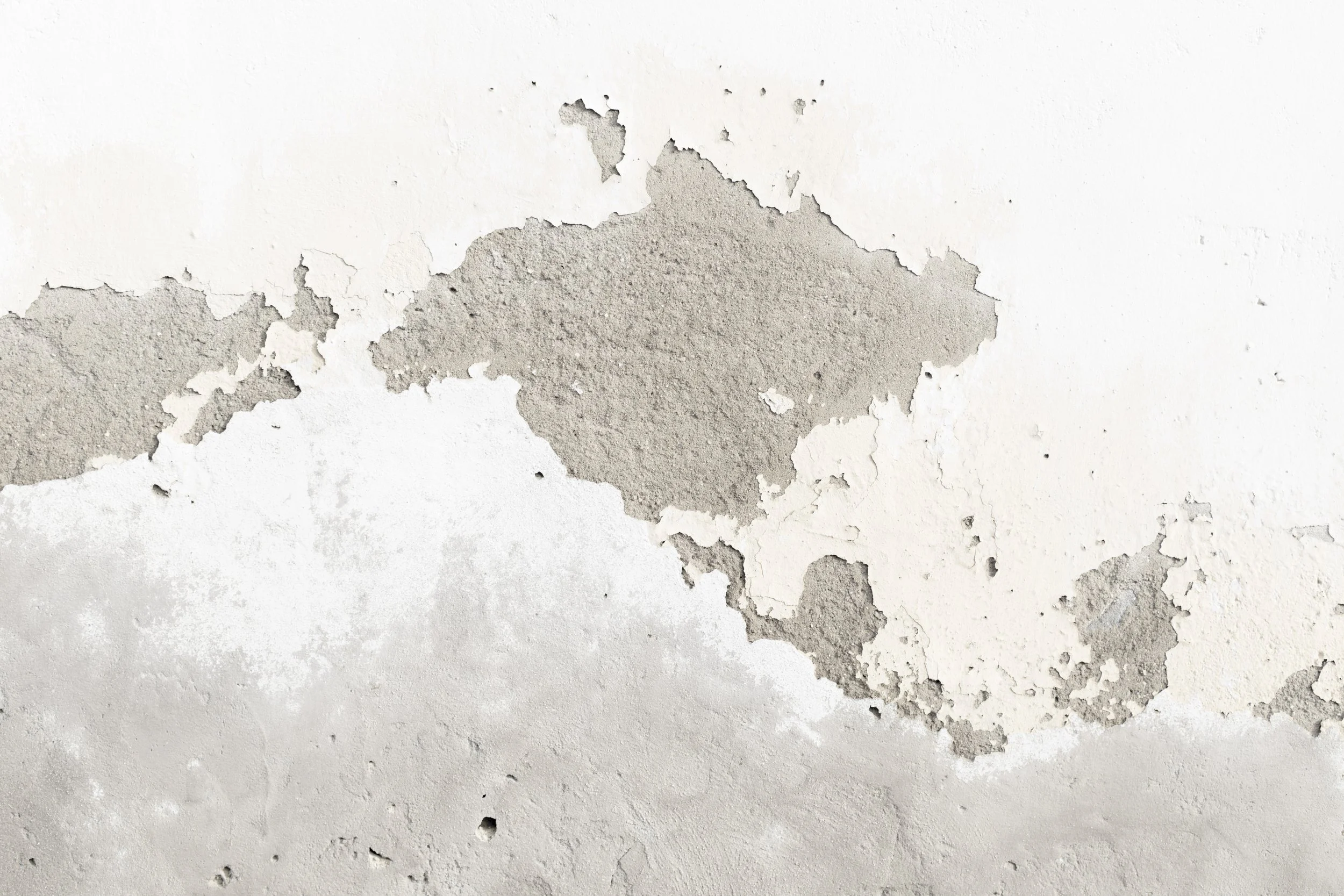
Before learning how to repair drywall, you need to identify the size of the problem.
Small Holes (Under ½ Inch)
These are quick fixes.
Examples:
Nail holes
Tiny dents
Small screw holes
These are quick fixes.
Medium Holes (½–3 Inches)
These need patch support.
Examples:
Doorknob damage
Large anchor holes
Large Holes (Over 3 Inches)
How to patch a large hole in drywall? These require replacing part of the drywall panel. Each size determines how you approach drywall repair.
Examples:
Accidental impact damage
Plumbing or electrical access cuts
Tools & Supplies You’ll Need
If you’ve ever searched for drywall repair near me, it’s usually because texture blending or larger repairs feel overwhelming. Before starting, gather:
Putty knife
Joint compound
Spackle (for small holes)
Sandpaper (120–220 grit)
Mesh drywall patch
Utility knife
Primer
Matching paint
Spare drywall piece (for large holes)
If drywall repair feels overwhelming, our affordable handyman services for your home repairs can help you achieve a flawless finish.
How to Fix Small Holes in Drywall
If you’re learning how to repair drywall for small damage, follow these steps.
Step 1: Prep the Area
Remove loose debris.
Lightly sand edges.
Wipe clean.
Step 2: Apply Spackle
Use a putty knife.
Press into the hole.
Smooth evenly.
Step 3: Let It Dry
Follow product instructions.
Don’t rush drying time.
Step 4: Sand Smooth
Light sanding only.
Make the surface flush.
Step 5: Prime and Paint
Always prime first.
Then paint to blend.
How to Repair Medium Holes in Drywall
This is the most common household drywall repair scenario. When figuring out how to repair a hole in drywall that’s larger than a nail hole, you need reinforcement.
Step 1: Clean and Sand
Smooth rough edges.
Step 2: Apply a Mesh Patch
Centre it over the hole.
Step 3: Apply Joint Compound
Spread evenly.
Feather edges outward.
Step 4: Let Dry and Sand
You may need two coats.
Step 5: Prime and Paint
Primer prevents flashing through paint.
If you want to know how much does a handyman charge to paint a room? Click Here!
Repairing Drywall with Large Holes
Repairing a large hole in drywall can take some time and require more precision. If you're serious about learning how to do this, here are the steps involved:
Step 1: Cut Out Area of Damage
Use a utility knife to cut out the damaged area in as square a shape as possible.
Step 2: Cut A New Piece of Drywall
Make sure to have a new piece of drywall to replace the damaged piece that has the same dimensions as the one you are replacing.
Step 3: Attach Supporting Wood Lath
Mount supporting pieces of wood lath behind the hole made by cutting out damaged drywall, then screw in your new piece of drywall.
Step 4: Tape the Seams
Use mesh tape.
Step 5: Apply Joint Compound
Cover seams. Let dry. Sand.
Repeat if needed.
Step 6: Prime and Paint
Large repairs demand patience. Many homeowners look up drywall repair near me at this stage because seamless finishing takes skill.
How Long Does Drywall Repair Take?
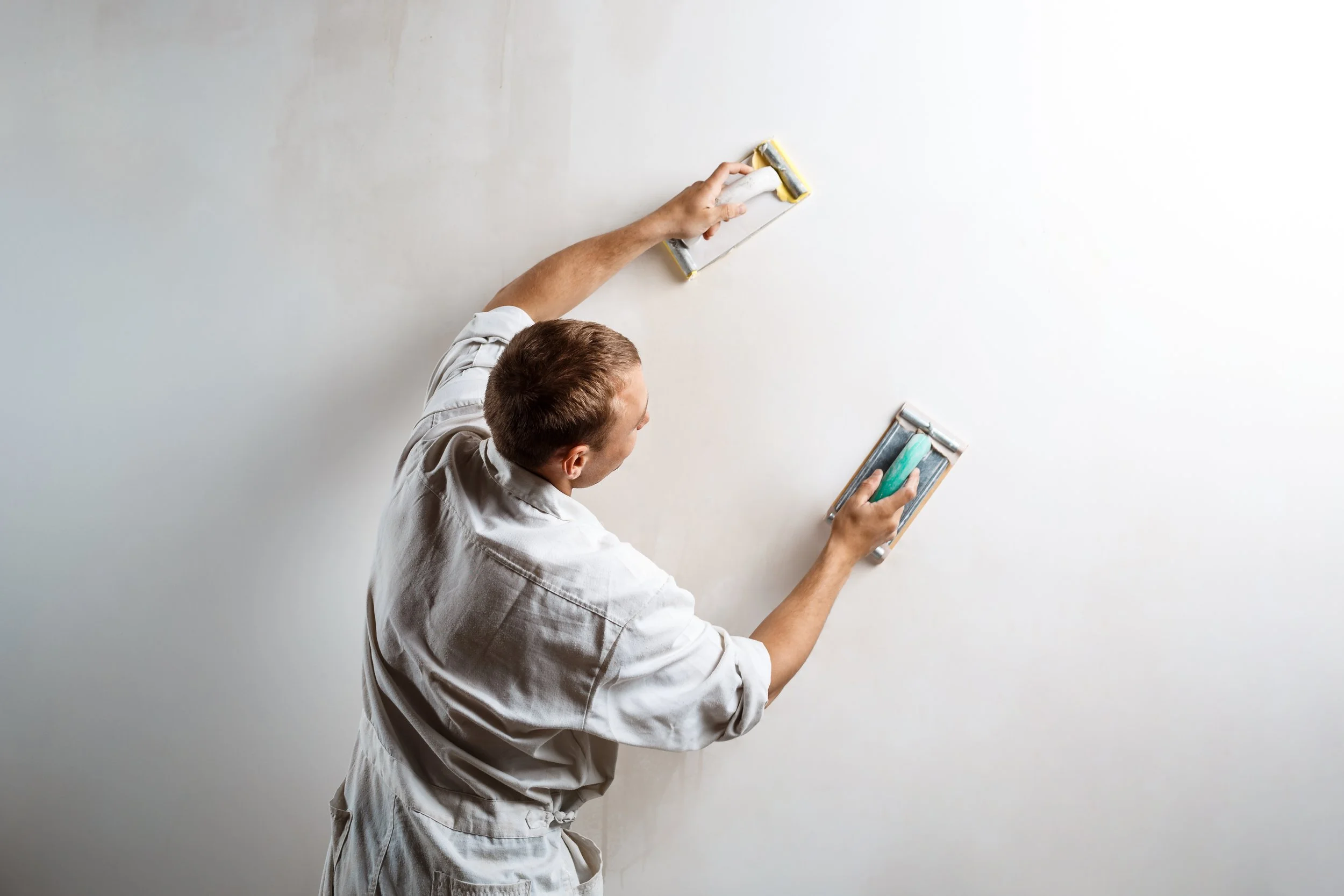
Time varies by damage size:
Small holes: 1–2 hours
Medium holes: Half a day
Large holes: 1–2 days, including drying time
Drying between coats is the biggest factor. Rushing creates visible bumps.
Common Mistakes to Avoid
Even if you know how to repair drywall, mistakes can make repairs obvious.
Avoid:
Applying compound too thick
Skipping primer
Not feathering edges
Oversanding
Painting too early
Ignoring texture blending
Texture matching is where many DIY projects fall short.
DIY vs Professional Drywall Repair
So, should you do it yourself?
DIY Works Best When:
The hole is small.
You have tools.
You’re comfortable sanding and painting.
Professional Help Is Better When:
The hole is large.
Texture needs matching.
You’re preparing to sell or move.
Time is limited.
A smooth wall makes your entire room look polished. If precision matters, professional drywall repair ensures results look original, not patched.
How to Match Drywall Texture
Matching texture is often harder than patching.
Common U.S. textures include:
Orange peel
Knockdown
Smooth finish
Popcorn ceiling
To match texture:
Use spray texture products.
Test on scrap first.
Apply lightly.
Build gradually.
If blending feels tricky, experienced technicians can replicate the pattern seamlessly.
How Can Amenify Help?
Wall damage often feels bigger than it actually is. Knowing how to fix drywall allows you to fix virtually all small- and medium-sized holes over a weekend. The most important things to consider are the size of the hole you want to repair, choosing the right material(s) for repair, working carefully when sanding your repaired area, and always using a primer before applying a finish coat of paint. For larger holes, difficult to match wall textures, or those times you just want the easiest way to get a perfect repair without doing it yourself, Amenify can provide you with a great home service professional to take care of the needed repairs. With arrangements through Amenify, you will have an easier and less stressful time preparing your home for a refresh or a move.
Frequently Asked Questions
-
Small and medium holes can be fixed using spackle or mesh patches with joint compound. Only large structural damage requires replacing drywall sections.
-
For small holes, apply spackle, let it dry, sand smooth, prime, and paint. That’s the simplest method.
-
Feather compound outward, sand evenly, apply primer, and match paint carefully. Texture blending is critical.
-
If the damage is large, textured, or structurally deep, professional help ensures clean, invisible results.
-
Yes. Primer seals the patch and prevents paint from appearing dull or uneven.
-
Amenify provides many in-home services. Sign up to get $50 off on your first home service or product.
