

15 Residential Moving Tips by Experts to Avoid Costly Mistakes

Are you worried your upcoming move might spiral out of control? Moving is ranked as one of the most stressful life events in the United States. And most of that stress does not come from lifting boxes. It comes from poor planning, last-minute decisions, and choosing the wrong residential moving services.
This blog walks you through 15 expert-backed tips to protect your time, money, and peace of mind. Let’s start with the essentials.
Key Takeaways
Book trusted residential moving services early.
Always request written estimates.
Create a moving checklist 6–8 weeks ahead.
Declutter before packing.
What are the Biggest Residential Moving Mistakes to Avoid?
Avoiding these errors starts with choosing reliable residential moving services and creating a solid plan. Mistakes commonly made when moving:
Not verifying movers before hiring
Not timing your move properly
Not having enough money for the move
Not having an organized way of packing your belongings
Not having moving insurance
Not knowing your building's requirements for moving in/out
Attempting to do everything yourself without first planning the move.
What Does Residential Moving Mean?

The term "residential moving services" describes the assistance provided by professionals when assisting or working with an individual or family in making their move from one residence to another residence. Whilst many individuals have the ability to perform the move themselves, there are benefits to engaging the services of a professional during these times, such as assistance in reducing risk and reducing overall time taken for the move.
Assistance provided by a professional can include:
Packing and unpacking
Loading/transportation
Disassembly and reassembly of furniture
Short-term/Long-term moving and storage service options
1. Research Residential Moving Services Thoroughly
Not all movers operate at the same standard. Choosing experienced residential moving services protects your belongings and reduces last-minute stress. Our relocation experts recommend working only with verified professionals who understand local regulations and logistics.
Before hiring:
Check online reviews
Verify licensing and insurance
Confirm years in business
Review service offerings
Want to know if resident service pricing is the right choice for your community? Read on to find out how it could benefit your residents and improve your services!
2. Request In-Home or Virtual Estimates
This step prevents misunderstandings and budget surprises. Reliable moving service providers offer transparent documentation. Never rely on verbal quotes.
Ask for:
Written estimates
Clear breakdown of services
Insurance details
Timeline confirmation
3. Create a Moving Checklist 6–8 Weeks Early
A moving checklist is a structured timeline that outlines tasks before, during, and after relocation.
Consider:
Arrange moving help
Create a packing timeline
Change utilities
Update all addresses
Notify your school or employer
4. Create a Reasonable Moving Budget

Financial planning helps guarantee your ability to make an appropriate selection of residential moving services while avoiding hasty, poor financial choices, such as not properly estimating total moving costs.
Budget for:
Packing materials
Insurance coverage
Storage needs
Travel expenses
Unexpected delays
5. Declutter Before You Pack

Moving everything increases weight and effort. Decreasing your overall transportation load as well as cleaning up your house is also going to help make that entire process simple and efficient for you. Before hiring professionals to move, go through every room in your house with these four goals in mind:
Donate all items that are no longer being used
Sell any furniture that you will not need in your new location
Recycle any paperwork that is no longer needed
Throw away all items that are broken
Looking for reliable moving cleaning services? Read here to find the complete guide for best cleaning services near you and make your move stress-free!"
6. Avoid DIY Without a Plan

Professional moving help reduces injury risk and protects valuables. DIY moves often seem cheaper. But they can become costly if:
You rented the wrong truck size
You underestimate physical strain
You damage furniture
7. Don’t Book Movers at the Last Minute
Peak moving season in the U.S. typically runs from late spring to early fall.
Booking late may mean:
Limited availability
Scheduling conflicts
Higher stress
8. Use Proper Packing Materials

Quality materials protect items during transport, especially when using long distance moving services. Weak boxes cause damage.
Use:
Double-Walled Cartons
Corrugated Bubble Wrap
Packaging Paper
Heavy-Duty Tape
Clear Labels
9. Protect Valuable and Fragile Items
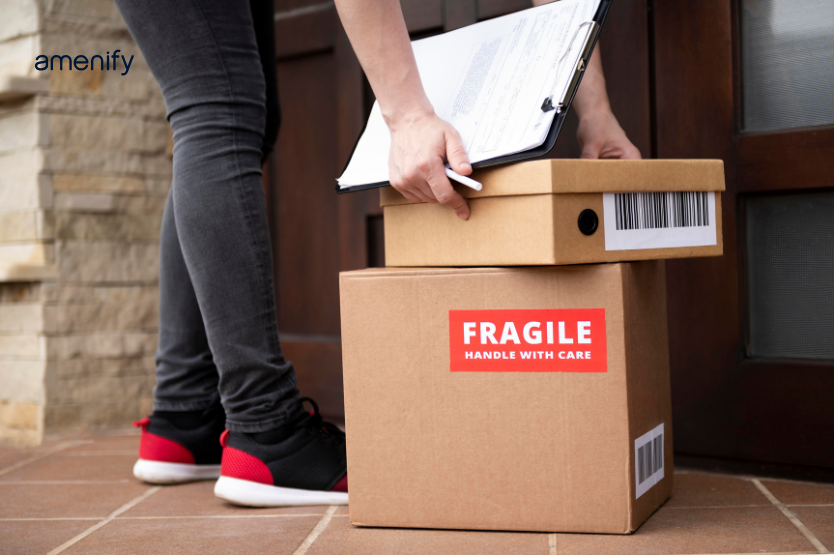
Discuss insurance options with your moving service provider before moving day. Create an inventory list.
Take photos of:
Electronics
Jewelry
Artwork
Antiques
10. Understand Moving Insurance Options
Moving insurance protects your belongings during transportation. Ask your residential moving services provider what coverage applies to your move.
Common types include:
Basic liability coverage
Full-value protection
Third-party insurance
11. Plan for Moving Day Safety
Professional moving help teams follow lifting protocols and safety standards. Clear hallways. Remove rugs. Secure pets.
Safety mistakes can cause:
Injuries
Property damage
Delays
12. Coordinate Building Logistics in Advance
If moving from or into an apartment or condo:
Reserve elevators
Confirm parking permits
Notify property managers
13. Update Utilities and Address Early
Skipping this step leads to avoidable frustration. Two weeks before moving:
Transfer electricity
Schedule internet setup
Submit USPS forwarding
Update subscriptions
14. Plan for Contingencies
Closings can be delayed. The weather can shift. When using long distance moving services, build in buffer time.
Prepare for:
Backup lodging
Extra essentials bag
Flexible scheduling
15. Employ Highly Regarded Professionals Where Appropriate

Using experts to assist you mitigates risk. At Amenify, we recommend you work with the best movers to ease your family through this transition and to safeguard your home. By providing good guidance early on, you reduce the chances of expensive errors occurring in the future.
How to Plan a Smooth Residential Move
Follow this simple roadmap:
Decide on your moving date.
Research and book residential moving services.
Create a moving checklist.
Declutter and organize.
Confirm insurance coverage.
Prepare packing supplies.
Coordinate logistics.
Perform a final walkthrough.
Inspect items after delivery.
Why Moving Can Be More Expensive Than You Think
You may not be prepared for the added expenses that are hidden costs related to your move! Last-minute bookings, additional packing supplies, storage delays, damage repair, and scheduling changes can all add up to become a major expense when you relocate.
The Bottom Line
Moving does not have to feel overwhelming. Most costly mistakes happen because of rushed decisions and poor planning. Select reliable residential moving services. Make preparations early by being organized, asking questions, and creating a plan. With good preparation and professional assistance, your move will go smoothly, efficiently and without any stress.
If you’re starting to prepare for your next move, our relocation experts at Amenify can help you throughout the entire process.
Frequently Asked Questions (FAQs)
-
If you place a high priority on time, safety, and a low stress level, in general, it’s advisable to use professional residential movers. While you can move yourself with a small load, that option typically involves planning to ensure no problems occur.
-
Book at least 6–8 weeks before your move. For peak seasons or long distance moving services, book even earlier.
-
The most common mistake is failing to research movers and skipping written estimates.
-
Create an inventory list, photograph items, and confirm insurance coverage with your moving and storage service provider.
-
Plan early. Use a checklist. Hire trusted moving help. Declutter before packing.
-
Amenify provides many in-home services. Sign up to get $50 off on your first home service or product.
