

Best Way to Clean Tile Floors: A Comprehensive Guide

Doesn’t it feel oddly disappointing when you finish mopping, step back, and the tile floors still look cloudy or uneven? You put in the effort, you follow all the steps you know, and yet the shine fades in a day and the grout stays dark no matter how hard you scrub. It almost makes you wonder if tile floors are just impossible to keep clean.
The truth is, tile floors are easy to maintain, but only when you use the right method for the right type of tile. This blog breaks down how to clean tile floors, how to fix grout that keeps collecting dirt, and what our cleaning experts do to keep floors spotless for longer. By the end, you’ll know exactly what to avoid and how to keep them shining with less effort.
The U.S. cleaning services market, including floor cleaning services, was valued at several billion dollars, with forecasts predicting steady growth. For instance, the janitorial services market in the U.S. was valued at over $60 billion in recent years.
Table of Contents
What Makes Tile Floors Hard to Clean?
Types of Tile Floors (and Why It Matters)
Types of Grout
Supplies You Need Before You Start
Step-by-Step: Best Way to Clean Tile Floors
How to Clean Floor Tile Grou
Deep Cleaning Natural Stone Tile Floors
Common Mistakes to Avoid
Pro Tips from Amenify Cleaning Experts
What Makes Tile Floors Hard to Clean?
Tile floors are hard-wearing but tend to hold onto dirt within their small surface pore spaces (grout lines) due to daily foot traffic accumulation, oil, dust, and sweat. These contaminants get pushed down into the small crevices in the tile and cause the tile to look dull and uneven over time. Mopping will not restore the shine of a tile if dirt or residue is left behind or re-deposited during the mopping process.
Understanding why tile floors collect buildup helps you choose a method that cleans deeply instead of just pushing dirt around. This is why most people feel like they mop endlessly without seeing a real difference.
Also Read: How to Clean Shower Grout?
Types of Tile Floors (and Why It Matters)
Different tile materials react differently to cleaners, water, and scrubbing. Using the same method for every type of tile often leads to streaks or long-term damage. When you know your tile type, you can clean confidently without guessing or trying random solutions online. Here’s how to handle each one correctly.
Ceramic Tile
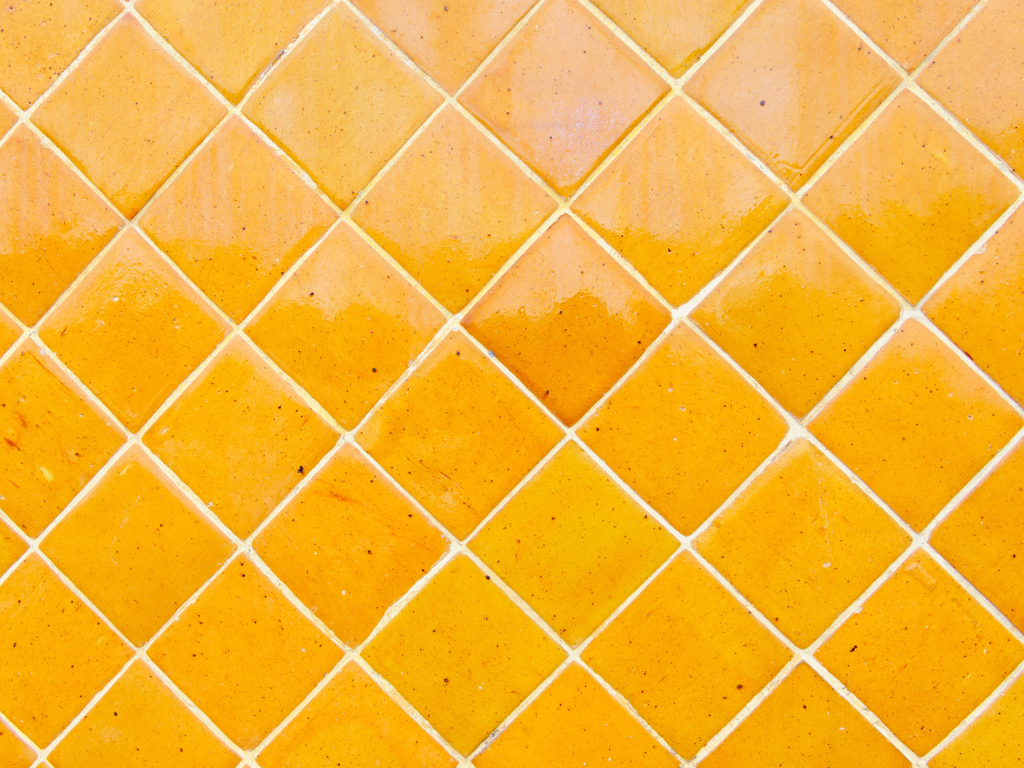
Ceramic is durable, low-porosity, and very forgiving during cleaning. It works well with most standard cleaners, and even steam mops are safe for everyday use. Because ceramic is common in kitchens and hallways, it benefits from regular vacuuming to prevent surface scratches.
Porcelain Tile

Porcelain is denser and more water-resistant than ceramic. It’s popular in high-traffic homes because it resists stains and keeps its shine. Mild cleaners are usually all you need, but porcelain still shows streaks if too much water or soap is used.
Natural Stone Tile

Stone includes materials like marble, slate, travertine, granite, and limestone. These tiles require special care because they react to acidic cleaners. Anything like vinegar or lemon can etch the surface permanently. To protect stone floors, stick to pH-neutral solutions and gentle tools only.
Also Read: How to Clean a Shower Head?
Types of Grout
Grout plays a huge role when you think about how to clean tile floors because dirty grout makes even clean tiles look dull. Each grout type absorbs dirt differently, so the cleaning method has to match its structure.
Sanded Grout
This type has a wider joint and easily collects dirt due to the texture of the material. Although it is durable, it does have a porous surface and requires a more regular deep cleaning and sealing process.
Unsanded Grout
Smoother and used in thin joints, unsanded grout stains more easily because it absorbs spills and dirt quickly. Light scrubbing usually helps, but it benefits more from sealing than sanded grout.
Epoxy Grout
Epoxy grout is dense, water-resistant, and much easier to maintain. It rarely stains and usually doesn’t need heavy scrubbing. However, it’s less common in older homes.
Supplies You Need Before You Start
Before you decide on the best way to clean tile floors, gather the right tools so the cleaning process becomes smoother and more effective. These supplies help you avoid scratching tiles or spreading dirt around during mopping.
You’ll need:
Soft-bristle broom or vacuum
Microfiber mop
Bucket with warm water
pH-neutral tile cleaner
Baking soda for grout
Soft scrub brush or old toothbrush
Steam mop (optional but powerful)
Dry microfiber towels
Step-by-Step: Best Way to Clean Tile Floors
This is the practical, no-guesswork routine that keeps tile floors bright and streak-free. Think of it as your reliable cleaning template for weekly maintenance.
Step 1: Remove Dust and Debris
Start by sweeping or vacuuming to clear away dirt, crumbs, and sand. This prevents scratches and stops the mop from dragging debris across the floor. Typical use for a vacuum that has a 'hard floor' setting is beneficial when vacuuming up large amounts of dust.
Step 2: Mix the Right Cleaning Solution
Use a pH-neutral cleaner diluted in warm water. Harsh or acidic cleaners may leave streaks or dull the tile surface. For most ceramic and porcelain floors, this gentle mixture cleans efficiently without leaving a sticky feel afterward.
Step 3: Mop in Small, Controlled Sections
Work in small areas to prevent water from drying on the floor. Wring the mop frequently so you’re applying moisture, not soaking the tiles. Too much water can leave marks and trap more dirt as it dries.
Step 4: Rinse the Mop Often
Dirty mop water is a common reason why floors still look dull after cleaning. Each time you finish a section, rinse and wring the mop well. This keeps dirt from spreading across the rest of the room.
Step 5: Deep Clean with a Steam Mop (Optional)
Steam cleaning is the quickest method of removing sticky substances and rejuvenating dull tile floors. The steam used will loosen dirt that a regular mop would have left behind. It also brightens grout without using chemical solutions.
Step 6: Dry the Floor Completely
To dry your tiles, use a clean microfiber cloth. If you allow your tiles to dry naturally, you may see streaking or mineral marks if your water is hard. Using a towel to dry will help you avoid water stains while allowing for an even and clean finish on your tiles. Along with this, it is important to understand the benefits of professional floor cleaning services.
How to Clean Floor Tile Grout
Many homeowners find grout more frustrating than tile because it absorbs dirt quickly and shows stains easily. To know how to clean floor tile grout without damaging the tile, you should use one of the methods that will work in most homes.
Method 1: Baking Soda and Water Paste
Mix baking soda with water until it forms a thick paste. Spread it along grout lines and scrub gently with a toothbrush. The paste lifts dirt without damaging the grout texture.
Method 2: Hydrogen Peroxide
To remove deeper stains from grout, apply hydrogen peroxide directly onto the surface of the grout. Allow it to work for a short time before you scrub the area with a damp sponge and rinse the area off. Hydrogen peroxide will brighten the grout and is not a harsh chemical like bleach, vinegar, or lemon juice.
Method 3: Steam Cleaning
Steam cleaning works especially well when grout has years of buildup. The steam loosens grime that scrubbing can’t reach. If you’re asking how do i clean grout in tile floors without damaging it, steam is the safest choice.
Deep Cleaning Natural Stone Tile Floors
Stone floors require a more careful routine because they’re sensitive to acids and abrasives. This extra care keeps the natural shine intact and prevents permanent surface damage.
Avoid using harsh products like vinegar, lemon, bleach, or heavy-duty detergents. Instead, rely on pH-neutral stone cleaners. Gently scrub with a soft-bristle brush and finish with a light steam mop pass if your stone is sealed. Always test a small area first to ensure the cleaner is safe for your specific stone type.
Related Blog: How to Deep Clean Your Kitchen?
Common Mistakes to Avoid
Many people unknowingly make small mistakes that leave tile floors looking dull. Avoiding these helps maintain shine longer and reduces the need for heavy scrubbing.
Using too much water causes streaks, puddles, and long drying times. Acidic cleaners can permanently damage stone tiles. Letting cleaning solution dry on the floor leaves cloudy residue that’s hard to remove. Even using the wrong mop type can push dirt instead of lifting it.
Our cleaners often see floors affected by these simple mistakes and correcting them immediately improves results.
Pro Tips from Amenify Cleaning Experts
Amenify recommends using microfiber mops because they pull dirt upward instead of spreading it around. Cleaning spills instantly prevents grout discoloration. Sealing grout every 6–12 months preserves its color and prevents stains from settling in. Using mats at entrances helps reduce sand that scratches tile.
A two-bucket system, one for clean water and one for dirty, keeps mop water fresh throughout the cleaning session.
Conclusion
Tile floors can stay bright, clean, and beautiful when you follow the right methods consistently. Once you know the best way to clean tile floors, the process becomes easier and produces better results every time. Whether your home has ceramic, porcelain, or natural stone, using the right cleaners and tools protects your flooring and makes cleaning quicker.
If your grout needs deeper cleaning or your tile floors have years of buildup, Amenify’s professional cleaners can help restore them using safe, expert-approved techniques.
FAQs
-
Sweep or vacuum first, then mop using a pH-neutral cleaner and warm water. This prevents residue and helps tiles stay bright longer.
-
Deep cleaning every 2–4 weeks works for most homes, depending on foot traffic and tile type.
-
Use baking soda paste, hydrogen peroxide, or a steam cleaner. These methods clean without damaging grout.
-
It’s safe on ceramic and porcelain but should never be used on natural stone because it can cause etching.
-
Using too much water, not rinsing the mop, or using the wrong cleaner can leave residue behind.
