

Quick Fix: Change Bulbs on Tall Ceilings Safely
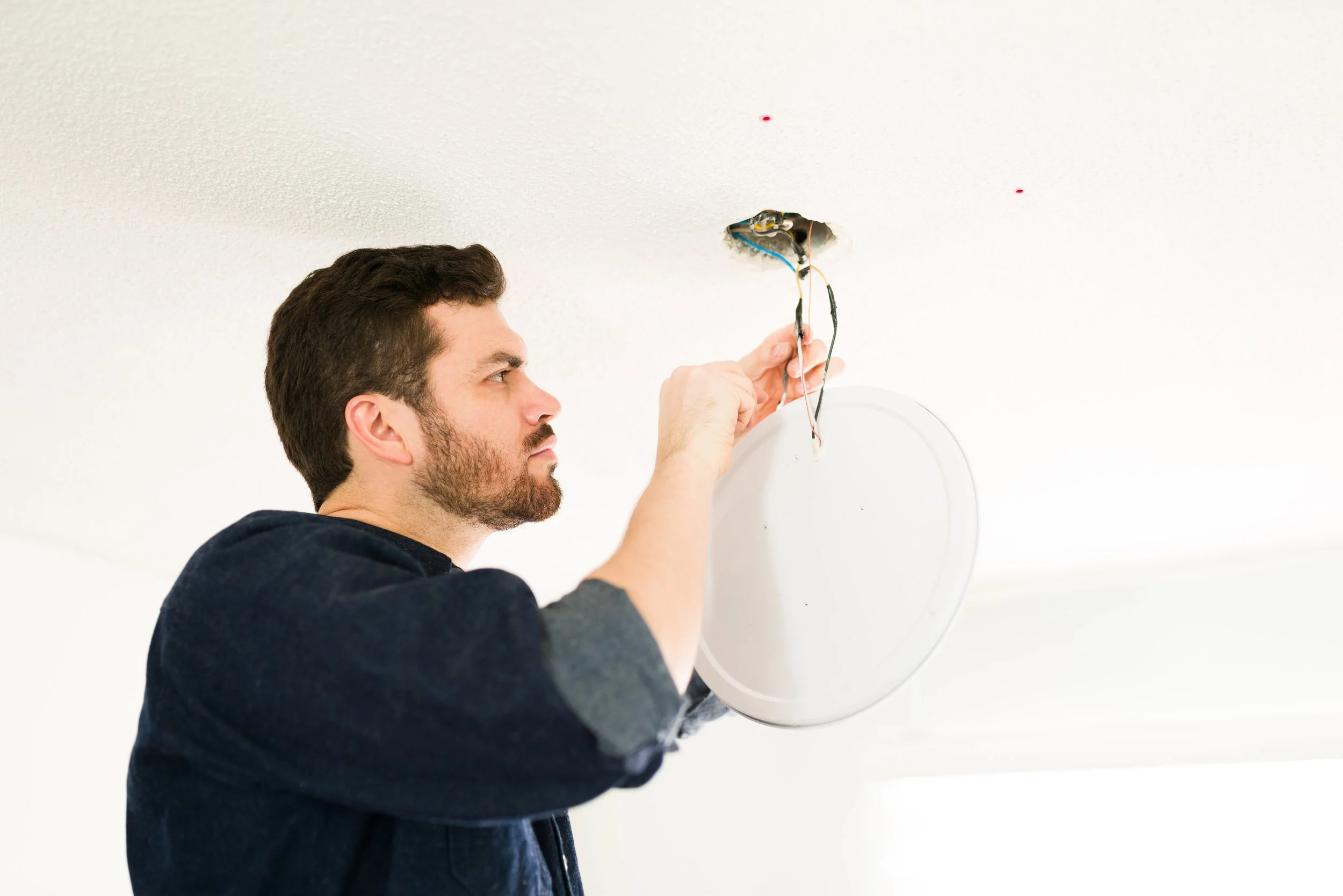
Ever felt that pinch of frustration when a bulb on your tall ceiling goes out at the worst possible moment, right when you need good lighting the most? You stare at it thinking, “How on earth am I supposed to reach that?” and the problem feels far bigger than a simple light bulb change. High ceilings might look beautiful, but the struggle of maintaining them quickly becomes real when visibility drops and your space starts feeling dimmer than it should.
That’s exactly why you’re here. Many homeowners look for safe, quick, and practical ways to reach those bulbs without risking a fall or damaging the fixture. If you want a clear, step-by-step way to change light bulb high ceiling fixtures safely, plus tools, tips, expert tricks, and real high-ceiling scenarios, this blog will walk you through everything.
Table of Contents
Key Takeaways
Why Changing Bulbs on Tall Ceilings Requires Extra Care
How to Change Bulbs on Tall Ceilings: The Short, Direct Answer
Common Challenges When Reaching High Ceiling Fixtures
Essential Tools You Need Before You Start
Step-by-Step Method to Change Bulbs on Tall Ceilings Safely
Alternatives When You Cannot Reach the Fixture
Choosing the Right Bulb for a High Ceiling
Aftercare: How to Make Your New Bulb Last Longer
When You Should Call Professional Help
Key Takeaways
Tall ceilings require proper tools, a stable base, and a safe plan before starting.
Using the right equipment reduces risk and speeds up the process.
LED bulbs reduce the need for frequent replacements.
A methodical setup prevents accidents and ensures a secure fix.
How to Change Bulbs on Tall Ceilings
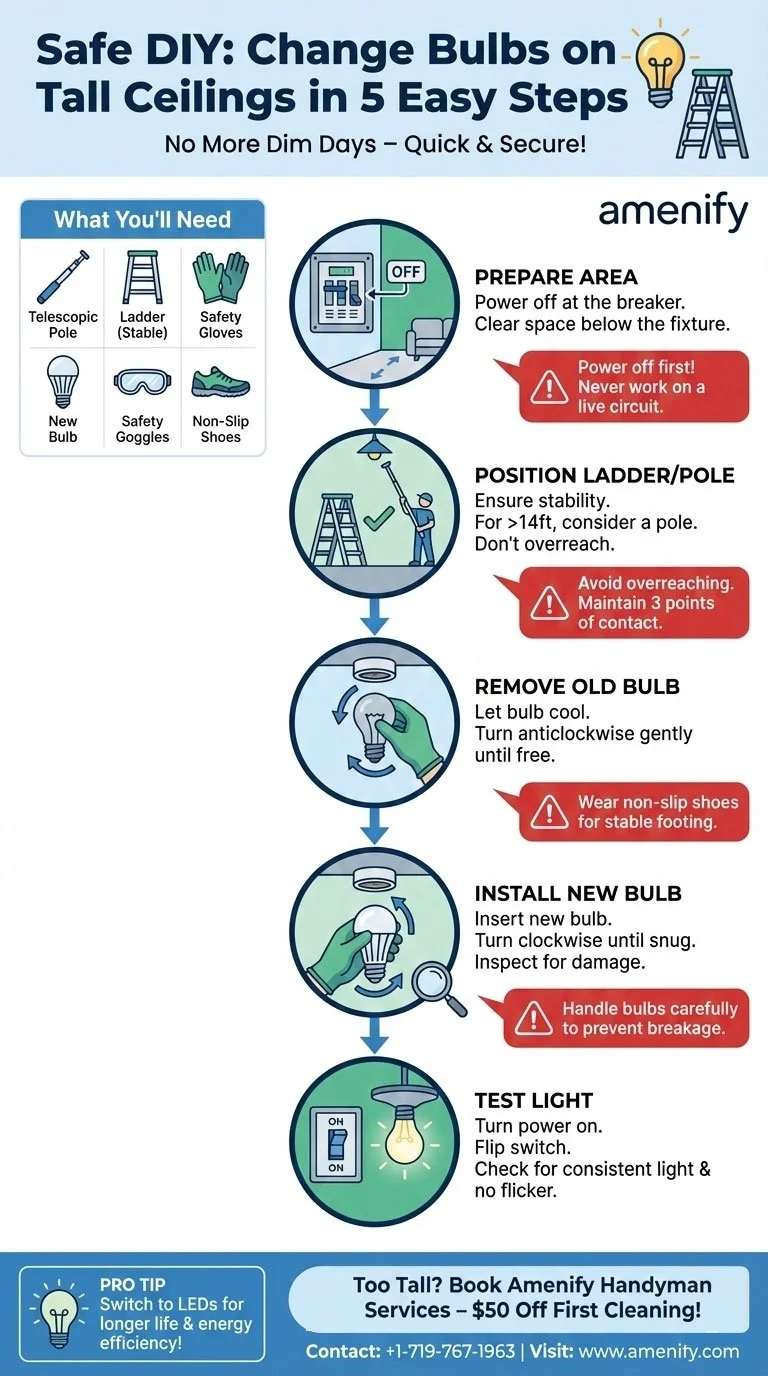
To safely change light bulb high ceiling fixtures, you need a proper reach tool or a tall step ladder, a stable floor surface, and the right bulb replacement technique. Always switch off the power, secure your footing, use both hands whenever possible, and avoid overreaching at any angle.
Essential Tools You Need Before You Start
Using the proper equipment significantly reduces risk, especially when dealing with a High ceiling light bulb that sits too far above normal reach. Before attempting to change a high ceiling change light bulb, gather the right equipment so you don’t have to climb up and down repeatedly.
Useful Tools to Keep Ready:
Telescopic bulb changer pole: Extends your reach without climbing.
Tall, stable ladder: Preferably aluminum or fiberglass.
Non-slip shoes: Prevent slipping on ladder steps.
Soft gloves: Improve grip while handling bulbs.
Flashlight: Helps when fixtures are dim or enclosed.
Drop cloth or towel: Protects the flooring from broken glass.
Related Blog: How Much Does a Handyman Charge to Paint a Room?
Step-by-Step Method to Change Bulbs on Tall Ceilings Safely
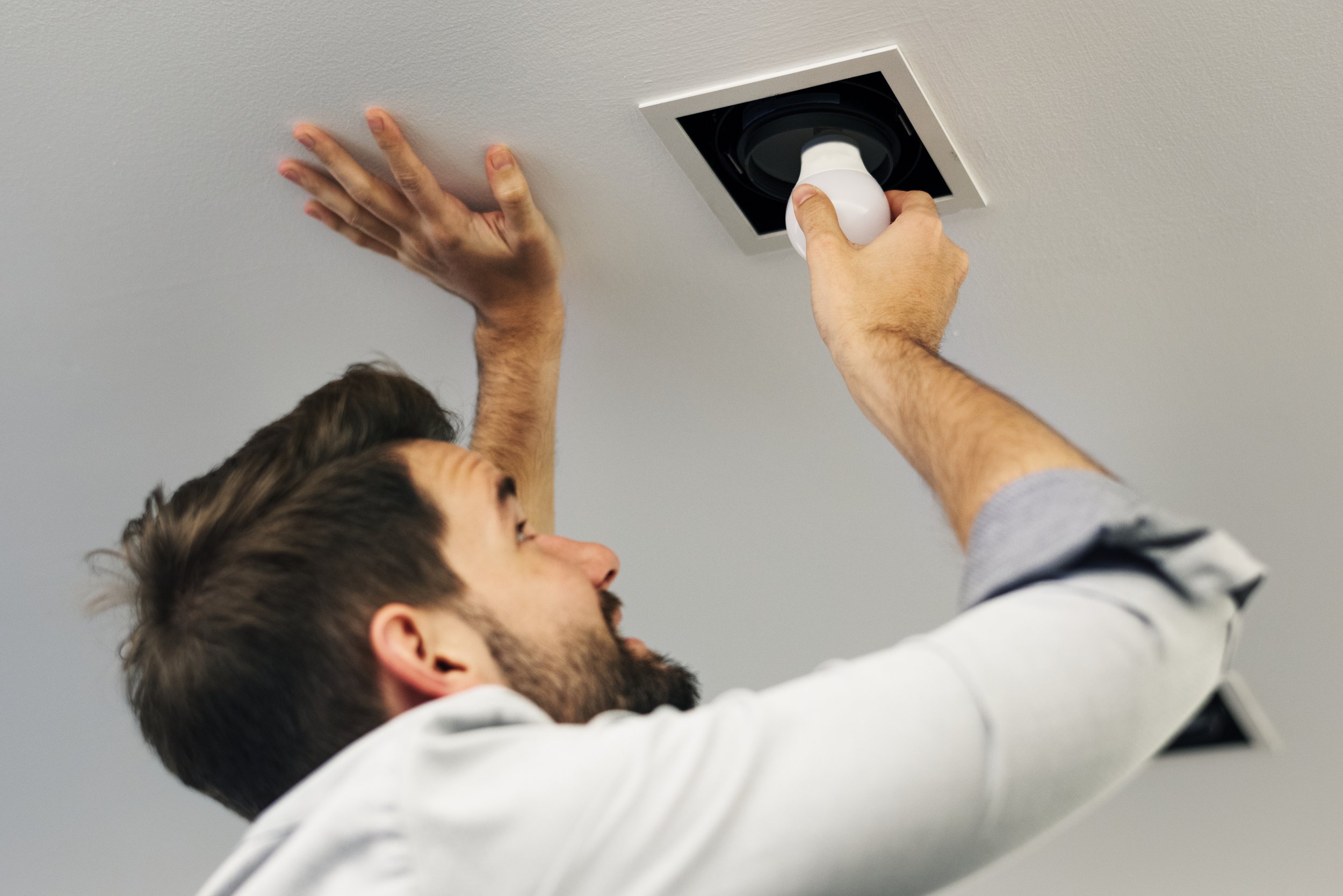
This process helps ensure you safely change light bulb high ceiling fixtures without unnecessary risk. Here’s a simplified, practical breakdown for homeowners who want a clear, actionable process.
1. Prepare the Area
Before climbing or reaching up, do the following:
Switch off the light from the main switch.
Allow the bulb to cool down fully.
Clear furniture, rugs, or decor items around the fixture.
Make sure the surface beneath you is flat and dry.
2. Position Your Ladder or Telescopic Pole
Depending on your ceiling height:
Use a tall ladder for ceilings under 14 feet.
Use a telescopic pole for ceilings above 14 feet or in hard-to-reach areas.
Ensure the ladder locks fully before climbing.
Do not place a ladder near the edge of a roof or near an uneven surface or steep slope.
3. Remove the Old Bulb Safely
Once positioned securely:
Grip the bulb gently but firmly with both hands or the pole’s rubber suction.
Turn anticlockwise slowly.
Avoid sudden movements that may shift your balance.
If the bulb resists, pause and adjust your hand position.
4. Putting On A New Bulb
To avoid injury, inspect your light fixture for any foreign objects or signs of damage to the bulb socket.
Place the new bulb into the socket and, using a clockwise motion, make it tight; do not overtighten the bulb.
As you step down from the ladder, ensure that you are maintaining a handhold on both sides of the ladder.
5. Turn On The Light
Once you have stepped down from the ladder, turn on the power switch.
Verify that the bulb is properly fitted into the socket and functions correctly (does not flicker).
Alternatives When You Cannot Reach the Fixture
In some homes, reaching the fixture isn’t practical or safe. Each option helps reduce the physical strain and repeated climbing associated with tall ceilings. Here are alternatives to consider:
Use a professional: Calling Handyman services prevents climbing risks.
Install longer-life LED bulbs: Minimizes replacement frequency.
Switch to smart fixtures: Some are controllable or adjustable via remote.
Use adjustable light heads: Easier to maintain and access.
Choosing the Right Bulb for a High Ceiling

Bulb selection plays a key role in performance and safety. Using the right bulb reduces how often you need a High ceiling light bulb replacement. Picking the wrong one leads to dim lighting, overheating, or needing frequent replacements.
Keep in mind the following:
Watt compatibility: It will help to eliminate any risk of overheating.
LED vs. halogen: LEDs last much longer and run cooler.
Beam angle: High ceilings benefit from wide angles for better coverage.
Color temperature: Warm (2700K–3000K) for cozy rooms; cool (4000K–5000K) for workspaces.
Lumens, not watts: Lumens determine brightness, not wattage.
Major Obstacles When Installing Hanging Fixtures at High Ceilings
There are many challenges created by installing fixtures at very high ceilings that are not obvious when you first go to do the work. The most common challenges include:
1. Inaccessibility
The height of the ceilings creates problems for the typical homeowner. Even though there is a standard ladder, most homes have ceilings that are higher than what the ladder can allow access to. Some of the areas where access is often an issue are stairwells, entrances, and vaulted great rooms.
2. Unstable Surface Areas
Carpets, tiles, and elevated sections can make ladders wobble.
3. Heat From Existing Bulbs
Many older bulbs heat up quickly and touching them too soon risks finger burns.
4. Incorrect Tools
Trying to grip bulbs with cloth or bare hands reduces control and increases the chances of breakage.
5. Fixture Height and Angle Issues
Some ceiling lights are mounted in tricky positions, such as over staircases, making it even harder to approach them safely.
Why Changing Bulbs on Tall Ceilings Requires Extra Care
Changing a regular bulb is easy. But doing it on a tall ceiling change everything: your height, your balance, your reach, your visibility, and even your footing. The higher the fixture, the greater your risk of slipping, overreaching, or dropping the bulb. Homes with vaulted, cathedral, or double-height ceilings can be particularly challenging.
Many homeowners underestimate the height, use the wrong tools, or climb unstable surfaces like chairs. This leads to preventable injuries and, in some cases, damage to fixtures or the ceiling. Taking time to plan makes the entire task safer and far easier.
Aftercare: How to Make Your New Bulb Last Longer
When installed on your light fixture, the following care practices will help extend the lifetime of your light bulb:
You should always provide ample ventilation for your bulb.
Avoid frequent switching on/off since it shortens bulb life.
Dust fixtures regularly to prevent buildup that traps heat.
Use quality surge protectors to prevent electrical damage.
When You Should Call Professional Help
Even with all the tools and steps, some situations are better handled by specialists. If you’re dealing with extremely tall ceilings, unstable flooring, or poorly placed fixtures, professional help is the safest choice.
You may consider Handyman services when:
Your ceiling height is above 16–18 feet.
You’re unsure about electrical issues.
You’re uncomfortable climbing tall ladders.
The fixture is above a staircase or an awkward area.
Conclusion
To put it simply, you don't need to put yourself at risk to change a light bulb in a high-ceilinged area. By using the necessary tools, setting up safely, and following the directions step by step, you will know you can easily change a light bulb. If, however, the height or access makes it unsafe for you to change the bulb, Amenify has professional services available that allow you to brighten your home while remaining safe and functional.
FAQ’S
-
You can reach it using a tall ladder or a telescoping bulb changer while keeping a steady footing and not leaning over when you're changing the light bulb.
-
Yes, if the fixture is compatible with a telescopic changer. If not, professional help is recommended. Amenify experts often handle such tasks safely for homeowners.
-
High-lumen, wide-beam-angle LED Bulbs will provide the best amount of light in your room.
-
It may be caused by a loose connection, an incompatible bulb, or a wiring issue requiring inspection.
-
Amenify provides many in-home services. Sign up to get $50 off on your first home service or product
