

How to Clean Kitchen Stove Fan Filter: Simple Step-by-Step
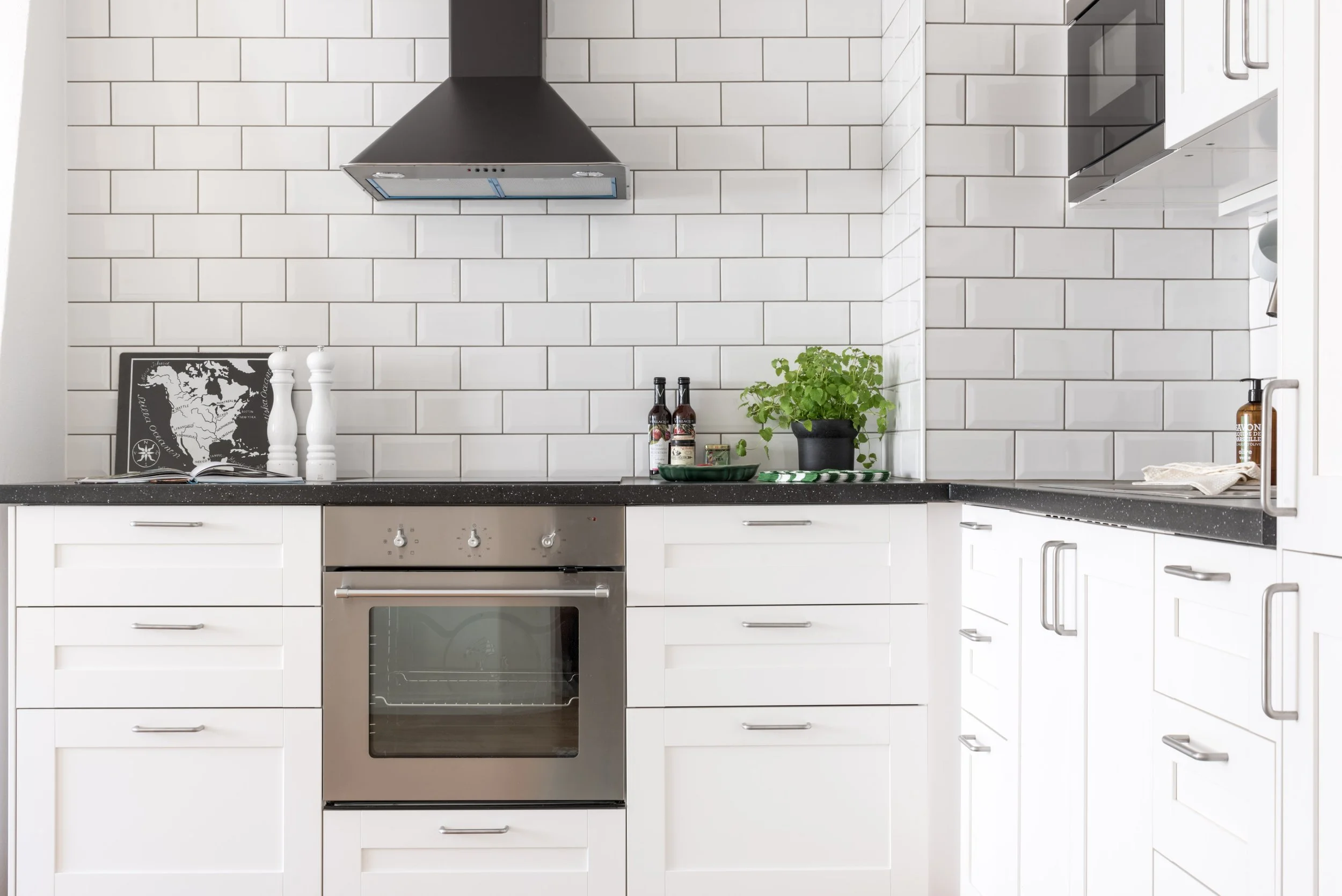
Have you ever noticed your kitchen smelling greasy or smoky even though your fan is running the whole time you cook? It’s frustrating, and it often happens when the air starts to feel heavy or the odors hang around longer than they should. Most people don't realize the issue is sitting right above them, slowly getting coated in layers of grease. When your kitchen stove fan filter gets clogged, everything in your kitchen feels harder.
Just like a clogged coffee filter stops anything from passing through, a kitchen stove fan filter can’t work when it’s full, so you clean it by removing it, soaking it, scrubbing it, rinsing it, and drying it. This blog walks you through the steps quickly and clearly.
Key Takeaways
Cleaning your kitchen stove fan filter helps your fan run quieter, smoother, and more efficiently.
Soaking your kitchen stove hood filter in hot water, dish soap, and baking soda is the simplest method.
Aluminum stove fan filters can be washed; charcoal filters require a kitchen stove fan filter replacement instead.
You should clean your kitchen stove fan filter every 1–3 months, depending on cooking habits.
What You’ll Need
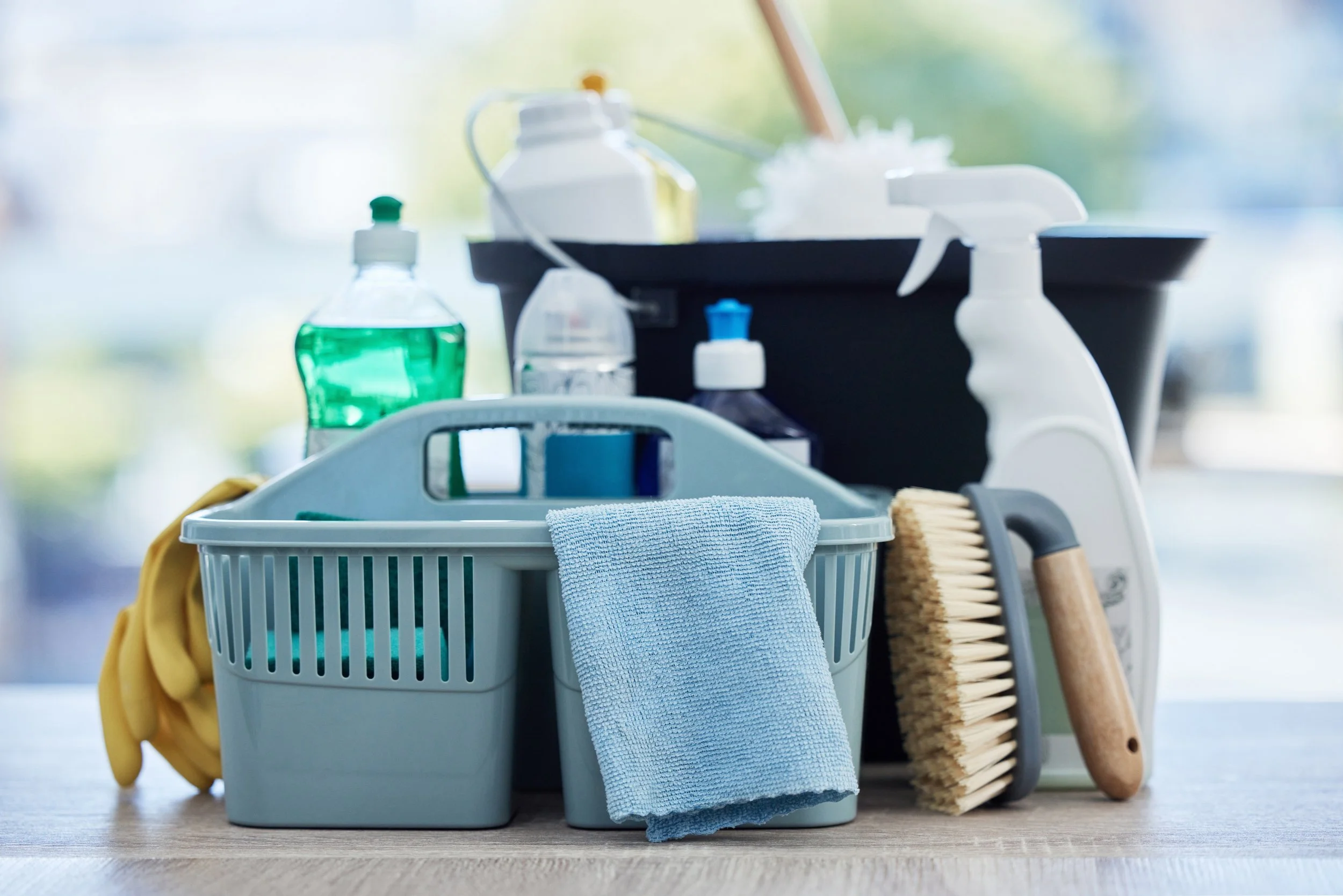
You only need a few basic supplies to clean any kitchen stove hood filter.
Equipment/Tools
Soft scrub brush or old toothbrush.
Microfiber cloth.
Gloves (optional, for hot water).
Materials
Dish soap (use mild soap to protect your metal filter while effectively removing grease).
Baking soda.
Very hot water.
A sink or a large bucket.
Step-by-Step Guide: How to Clean a Kitchen Stove Fan Filter
These steps work for all types of stove fan filters, whether mesh, aluminum, or stainless steel.
Step 1: Remove the Filter
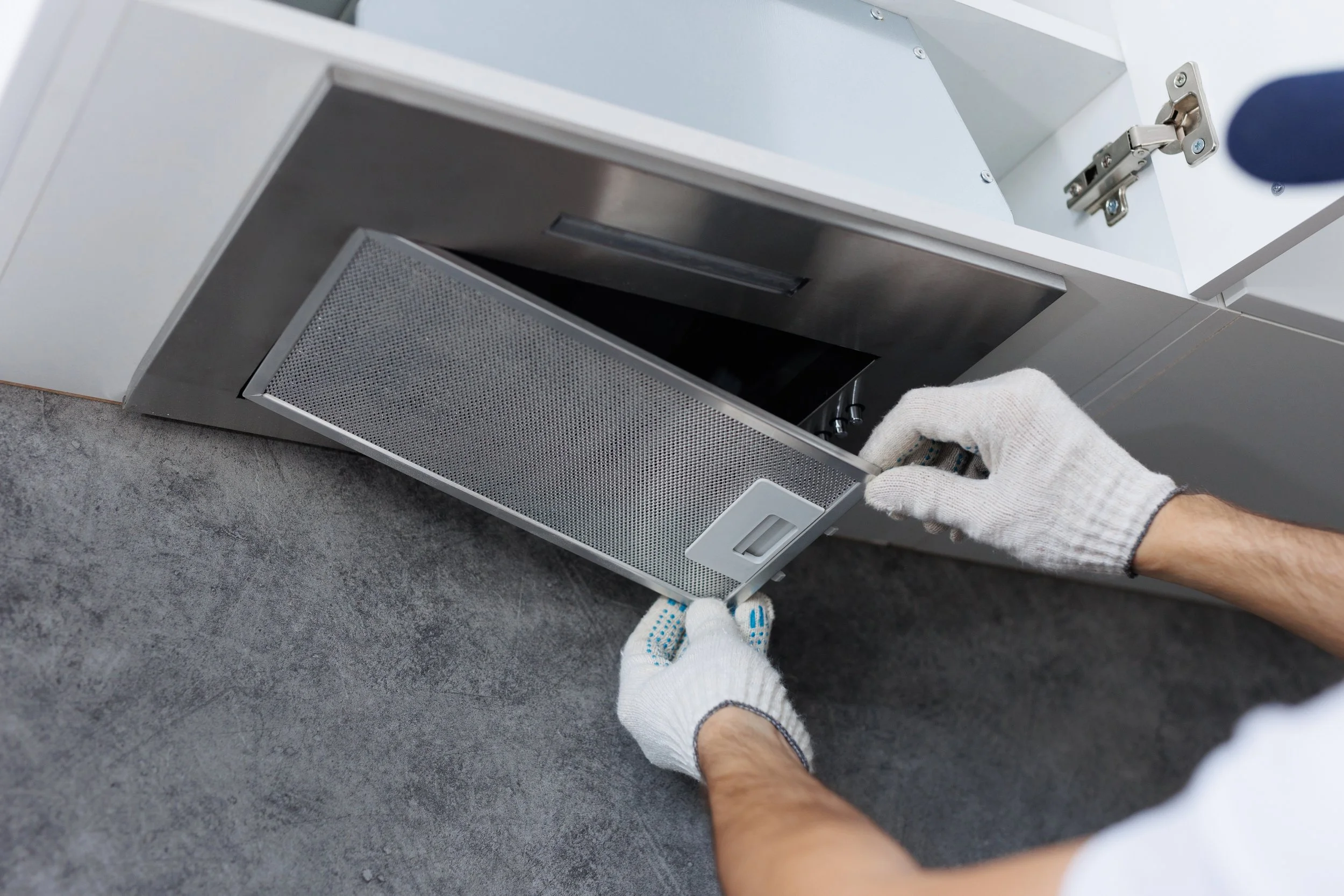
Before removing your kitchen stove fan filter, make sure the stove and hood are cool.
Locate the latches or release buttons.
Slide or push the filter downward.
Gently pull it out without bending or forcing it.
Step 2: Prepare the Cleaning Solution
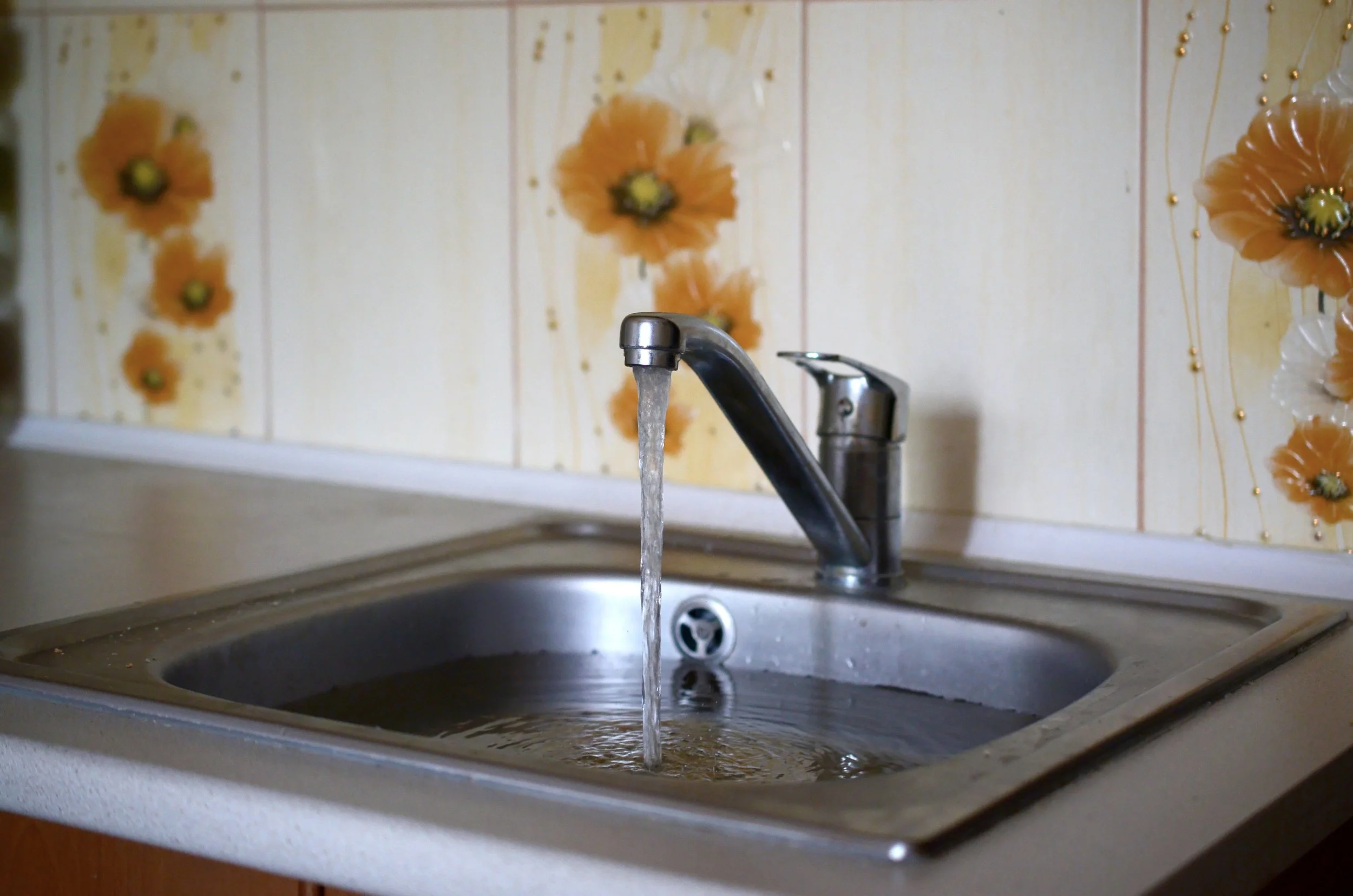
Create a strong degreasing soak for your kitchen stove hood filter.
Fill your sink or bucket with the hottest water possible.
Add a generous squeeze of dish soap.
Sprinkle 1/4–1/2 cup of baking soda into the water.
Stir carefully to dissolve.
Step 3: Soak the Filter

Soaking softens all the grime stuck inside your stove fan filters.
Submerge the filter fully.
Let it sit for 15–20 minutes.
Rotate if needed to ensure full coverage.
Step 4: Scrub the Filter

Once soaking loosens the grease, scrubbing finishes the job.
Use a stiff brush or non-scratch sponge.
Scrub along the grain of the mesh.
Scrub both sides thoroughly.
Step 5: Rinse the Filter
Rinsing clears away soap and leftover grease from the kitchen stove fan filter.
Rinse under warm running water.
Shake off excess droplets.
Repeat until clear water flows through the mesh.
Step 6: Dry and Reinstall

Drying protects the fan motor and keeps your Kitchen stove fan filter replacement from wearing out prematurely.
Air-dry completely on a towel.
Do not reinstall while damp.
Snap the filter back into position.
Also Read: Top 5 Cleaning Hacks for Busy Professionals
How Often Should You Clean a Kitchen Stove Fan Filter?

Most homes should clean their kitchen stove fan filter every 1–3 months. But cooking habits change the timeline.
When to Clean More Often
You fry or sauté frequently.
You notice smoke lingering.
The fan sounds louder.
You see visible grease on the stove fan filters.
When You Can Clean Less Often
Light cooking or minimal stovetop use.
A strong ducted ventilation system.
You rarely cook food with oil.
What’s the Difference Between Filter Types?

Not all kitchen stove hood filter types clean the same way.
Aluminium or Mesh Filters
Most common.
Designed to be washed.
Works well with baking soda and dish soap.
Charcoal Filters
Not washable.
Used in ductless hoods.
Must be replaced.
Often part of Kitchen stove fan filter replacement kits.
How to Keep Your Kitchen Stove Fan Filter Clean Longer
Preventive care keeps your kitchen stove fan filter from clogging fast.
Tips for Longer Filter Life
Wipe the exterior hood weekly.
Clean grease traps regularly.
Turn on the fan before cooking.
Run the fan for 5 minutes after cooking.
Homemade Degreaser Solution for Tough Grease
If your kitchen stove hood filter hasn’t been cleaned in months, this stronger solution may help.
DIY Degreaser Instructions
Mix 1 cup of white vinegar with hot water.
Add 2 tablespoons of dish soap.
Add 1 tablespoon of baking soda.
Mix slowly to avoid foam.
Warning
Avoid mixing vinegar with bleach.
Do not soak charcoal-style Kitchen stove fan filter replacement inserts.
Test a small area if your filter has coatings.
When to Replace Your Kitchen Stove Fan Filter
If cleaning doesn’t restore your stove fan filters, it may be time to consider a Kitchen stove fan filter replacement.
Signs You Need a Replacement
Bent mesh.
Holes in the screen.
Persistent odor.
The coating peeling off.
Conclusion
A clean kitchen stove fan filter keeps your kitchen fresh, improves airflow, and reduces lingering odors from everyday cooking. Whether you use a simple hot water soak or a stronger degreaser, the process is quick and makes a big difference in how your home feels. And if your filter is worn out, a kitchen stove fan filter replacement ensures your system keeps working at full strength. For homes that want consistent upkeep without the hassle, Amenify cleaning experts recommend routine maintenance as part of your regular cleaning schedule.
FAQs
-
Most homes should clean their kitchen stove fan filter every 1–3 months. Experts suggest adjusting based on how often you cook.
-
Mesh and aluminum stove fan filters are washable. Charcoal filters are not washable and require replacement.
-
If the odor sticks around, it may be time for a kitchen stove fan filter replacement.
-
Vinegar mixed with hot water and dishwasher detergent will efficiently dissolve grease on your kitchen stove hood filter.
-
The fan in your kitchen range hood is working too hard because the kitchen stove fan filter is clogged or damaged. If you've cleaned the filter and it is still very loud, you may need to replace it.
-
Yes, Amenify's team cleaning kitchens can clean or inspect your kitchen stove fan filter during their service at your home. Sign up to get $50 off on your first home service or product.
