

How to Clean Pee Out of a Memory Foam Mattress?
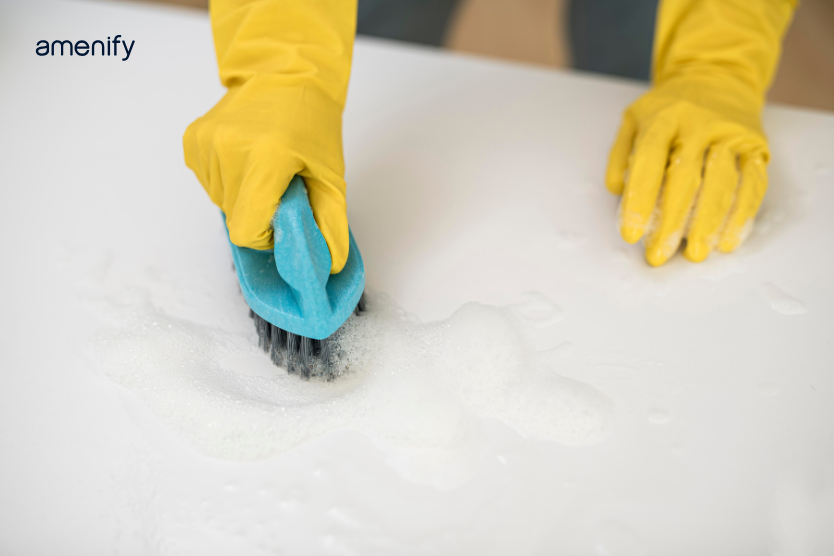
Cleaning pee from memory foam mattress using simple methods
Your memory foam mattress just suffered an accident, and you're wondering how to fix it fast. Here's the thing: foam mattresses tend to absorb liquid faster than other types, so working quickly to soak up moisture is key. A wet mattress is the perfect breeding ground for bacteria and mold.
The good news? The fresher the stain, the easier your cleanup will be. This piece will walk you through how to clean urine out of a mattress using simple household items. You'll learn step-by-step cleaning methods for fresh stains and techniques for tackling dried urine. We'll also show you how to eliminate stubborn odors from your foam mattress and provide prevention tips to protect your memory foam mattress topper from future accidents.
Table of Contents
How to Clean Urine Out of a Memory Foam Mattress: Step-by-Step
Removing Old and Dried Urine Stains
How to Get Pee Smell Out of a Mattress
Prevention Tips and Mattress Care
Conclusion
How to Clean Urine Out of a Memory Foam Mattress: Step-by-Step?
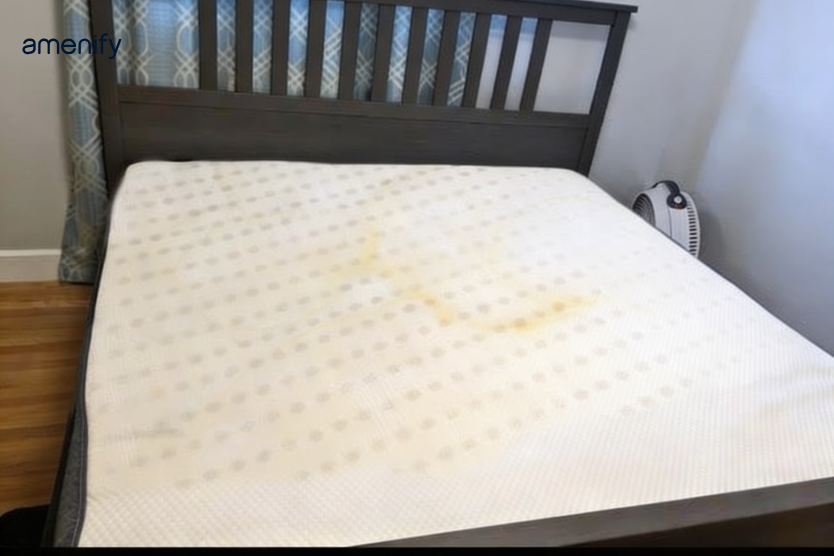
Detailed process showing how to clean urine out of mattress with blotting, baking soda, and drying methods for deep stain removal.
Collect your supplies before you start: white vinegar, baking soda, clean towels, a spray bottle, and your vacuum cleaner. The first few minutes make all the difference when you treat fresh urine on a memory foam mattress.
Step 1: Strip Your Bedding Right Away
Remove all sheets, mattress pads, and protectors from your bed. Put them straight into the washing machine on a cold wash cycle. Hot water can set urine proteins into fabric and make stains harder to remove later. Add a 1-pound box of baking soda and a cup of distilled white vinegar to the load for best results.
Also Read: How Long Should Laundry Clothes Be Washed in Washing Machine?
Step 2: Blot Up Excess Moisture
Press clean, dry towels onto the wet area with firm pressure to absorb as much urine as possible. Use a pressing and lifting motion rather than rubbing. Your memory foam mattress topper's foam structure absorbs urine more deeply when you rub. Continue with fresh towels until minimal moisture transfers to the towel. Patient blotting at this stage reduces the amount of liquid your mattress retains.
Step 3: Apply White Vinegar Solution
Fill a spray bottle halfway with white vinegar and the rest with water. You can add 1-2 tablespoons of laundry detergent to help clean the area. Spray the affected area without saturating the foam. Vinegar neutralizes the ammonia in urine and breaks down uric acid crystals that cause odor. Let the solution sit for 10 to 15 minutes, then blot the area again with clean towels until they come away dry.
Step 4: Cover with Baking Soda
Spread a thick layer of baking soda over the entire affected area. Baking soda absorbs remaining moisture and neutralizes odor as it dries. Leave it for 8 to 10 hours minimum or overnight. Open a window or run a fan to improve air circulation and speed drying.
Step 5: Let Dry and Vacuum
Hoover up all the baking soda with the upholstery attachment on your vacuum cleaner. Go over the area multiple times to remove all residue from the foam's surface texture. Check that the area is dry before you replace bedding.
Step 6: Repeat If Needed
Inspect the area after you vacuum. Repeat steps 3 through 5 until your mattress is clean and odor-free if stains or odors remain.
Removing Old and Dried Urine Stains
Dried stains present a different challenge than fresh accidents. Uric acid crystals bond to the foam structure over time and make standard cleaning solutions ineffective. These crystals resist water-based cleaners and reactivate when exposed to moisture or humidity. This explains why a previously cleaned mattress can smell again on humid days.
Why Dried Stains Are Harder to Remove
Water evaporates when urine dries, but uric acid and salts remain. They form crystals that embed deep into your memory foam mattress. Chemical changes occur through oxidation and alter the stain's composition to make it more stubborn. The longer a stain sits, the deeper it penetrates and the more dirt it attracts. Stains older than a few weeks undergo further oxidation. This creates complex pigment compounds resistant to simple cleaning methods.
Method 1: Vinegar and Laundry Detergent
Mix equal parts distilled white vinegar and water in a spray bottle, then add 1 to 2 tablespoons of laundry detergent. Soak the stain without holding back on the solution, as large stains penetrate deep into the mattress. Let the area air dry for several hours to several days, depending on stain size and room humidity. Blot with a damp cloth afterward to remove residue and reduce vinegar smell. Repeat this process until the stain fades.
Method 2: Hydrogen Peroxide Solution
Combine 1 cup of 3% hydrogen peroxide with 3 tablespoons of baking soda and a few drops of dish soap. Mix in a spray bottle and apply to the stain with a small amount first. Allow the solution to dry and form a baking soda residue on the surface. Vacuum once dry. Extend the dwell time to 20 to 30 minutes for stubborn old stains and cover with plastic wrap to prevent evaporation. Plan for two to three applications on separate days rather than expecting immediate results.
Scrubbing Techniques That Won't Damage Foam
Use a soft scrub brush or an old toothbrush for deeper stains. Apply circular motions without saturating the foam. Avoid aggressive scrubbing that tears the delicate cell structure of your memory foam mattress topper.
How to Get Pee Smell Out of a Mattress?
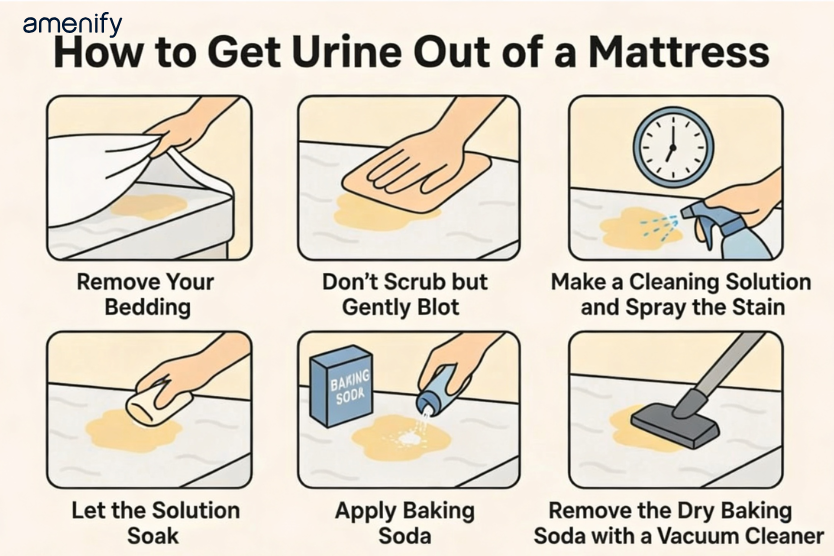
Simple methods to remove pee smell from a memory foam mattress using baking soda and ventilation to restore freshness and hygiene.
Odor persistence after cleaning your memory foam mattress stems from its unique structure. The open-cell design that makes foam comfortable also traps urine compounds deep within, where standard surface cleaning cannot reach them. This design means liquid drawn into the cells cannot be pulled back out through blotting alone.
Understanding Why Memory Foam Holds Odors
Untreated uric acid crystals continue releasing ammonia compounds, especially when warmed by body heat. The urine odor will persist for months and worsen over time without enzyme treatment. The smell does not dissipate naturally because these crystals remain active indefinitely and create that sharp ammonia-like scent each time you lie down.
Using Baking Soda to Neutralize Urine Smell
Baking soda absorbs and neutralizes urine odor through its alkaline base, which counteracts acidic odor compounds. Treat the stained area first, then cover it with baking soda and leave it for 8 to 10 hours before vacuuming. The baking soda should darken as it absorbs the odor. Hoover it off and apply a fresh layer if needed. Repeat until the powder stays white. Add a few drops of lavender or eucalyptus oil to the baking soda for improved freshening.
When to Use Professional Enzyme Cleaners?
Pet urine demands enzyme cleaners because animal waste smells stronger than human urine due to higher urea content, which decomposes into ammonia. Cat urine contains concentrated ammonia. Enzyme cleaners contain protease and other biological catalysts that break down uric acid crystals and odor-causing compounds. Select cleaners designed for your specific pet type and saturate affected areas. Allow them to dry.
Also Read: Exploring the Professional Deep Cleaning House Cost
Prevention Tips and Mattress Care
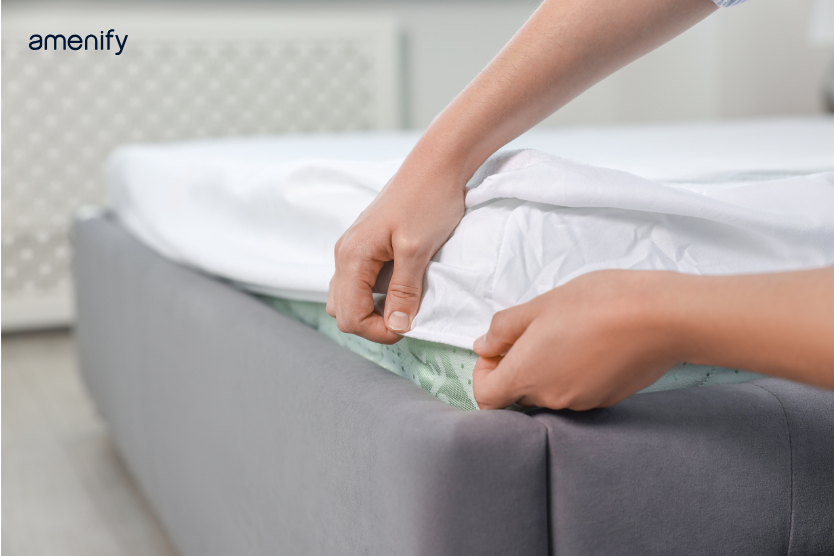
Tips to protect your memory foam mattress from stains and odors using covers, regular cleaning, and proper maintenance for long-lasting freshness.
Prevention beats remediation when you want to protect your foam mattress memory topper from future accidents.
Why You Should Use a Mattress Protector?
Waterproof mattress protectors create a barrier against urine, sweat, and dust mites. These protectors help reduce allergens that trigger reactions in 10 to 20% of adults worldwide. Many mattress warranties become void if stains appear, and a protector safeguards your investment. Modern protectors are machine washable and quick to dry. They offer an eco-friendly alternative to disposable pads.
How Often to Clean Your Memory Foam Mattress Topper?
Clean your memory foam mattress topper at least twice yearly. You can clean it every three months to maintain it better. Your topper will last three to five years with proper care. Vacuum and spot-clean to prevent allergen buildup and extend its lifespan.
Limiting Liquids Before Bedtime
Restrict fluid intake one to two hours before sleep if bedwetting occurs. Avoid caffeinated beverages like soda and tea during evening hours. Medical experts recommend limiting drinks within two to three hours of bedtime. Encourage more fluid intake during daytime hours instead.
Training Pets to Stay Off Furniture
Keep pets out of bedrooms if they establish marking patterns. Teach your dog the "off" command and use treats as positive reinforcement. Use baby gates or closed doors to block furniture access when you're away. Provide a comfortable dog bed near furniture as an appealing alternative.
Also Read: Deep Cleaning for Pet Owners: Eliminating Odors and Allergens
Conclusion
You now have all the tools to tackle urine stains and odors on your memory foam mattress. Quick action makes fresh stains easier to handle. Dried accidents require patience and enzyme cleaners. Note that waterproof mattress protectors save you from future headaches and protect your investment. Keep baking soda and vinegar handy to handle emergencies. Services like Amenify can help with professional deep cleaning when needed. Stay consistent with maintenance, and your mattress will remain fresh and comfortable for years.
How Can Amenify Help?
With Amenify USA, you can handle tough cleaning situations without the stress. Amenify connects you with trusted professionals for deep cleaning services, including mattress and upholstery care, helping remove stubborn stains and odors effectively.
Whether it’s a one-time deep clean or regular home maintenance, Amenify makes it easy to keep your living space fresh, hygienic, and comfortable.
FAQs
-
Yes, prolonged exposure to moisture can damage memory foam's structure. Water can break down the foam cells and create an environment for mold growth, which is why it's crucial to dry the mattress quickly and thoroughly after any liquid exposure.
-
A combination of white vinegar and baking soda works best for neutralizing urine odor. Spray the affected area with a vinegar-water solution, let it sit for 10-15 minutes, then cover generously with baking soda for 8-10 hours before vacuuming. For persistent pet urine odors, enzyme cleaners are more effective.
-
Both work effectively but serve different purposes. Vinegar is ideal for fresh stains and odor neutralization, while hydrogen peroxide (mixed with baking soda and dish soap) is better for tackling old, set-in stains. For dried stains, hydrogen peroxide can help break down stubborn discoloration.
-
Start by blotting immediately with clean, dry towels using a pressing motion rather than rubbing. Apply a vinegar-water solution to neutralize the urine, then blot again. Cover the area with baking soda to absorb remaining moisture and odors, leave it for several hours, and then vacuum thoroughly.
-
If you cannot remove the mattress cover, work through the fabric by blotting excess moisture first, then spray the area with a vinegar-water-detergent solution without oversaturating. Apply baking soda over the damp area and let it sit for several hours to absorb moisture and odor before vacuuming. Consider using a waterproof mattress protector to prevent future incidents.
-
Amenify provides many in-home services. Sign up to get $50 off on your first home service or product.
